

Part 1: 2024 construction health and safety compliance plans

As the construction industry in Ontario gears up for another busy season, the Ministry of Labour, Immigration, Training and Skills Development has unveiled its 2024 construction health and safety compliance plans. These plans, effective April 1, 2024 to March 31, 2025 are aimed at enhancing health and safety by educating workplaces and focusing enforcement efforts across the sector.
The compliance plans present an opportunity for construction employers to review and reinforce their health and safety strategies, mitigate risks, and ensure legal compliance with the Occupational Health and Safety Act and Regulation 213 – Construction Projects.
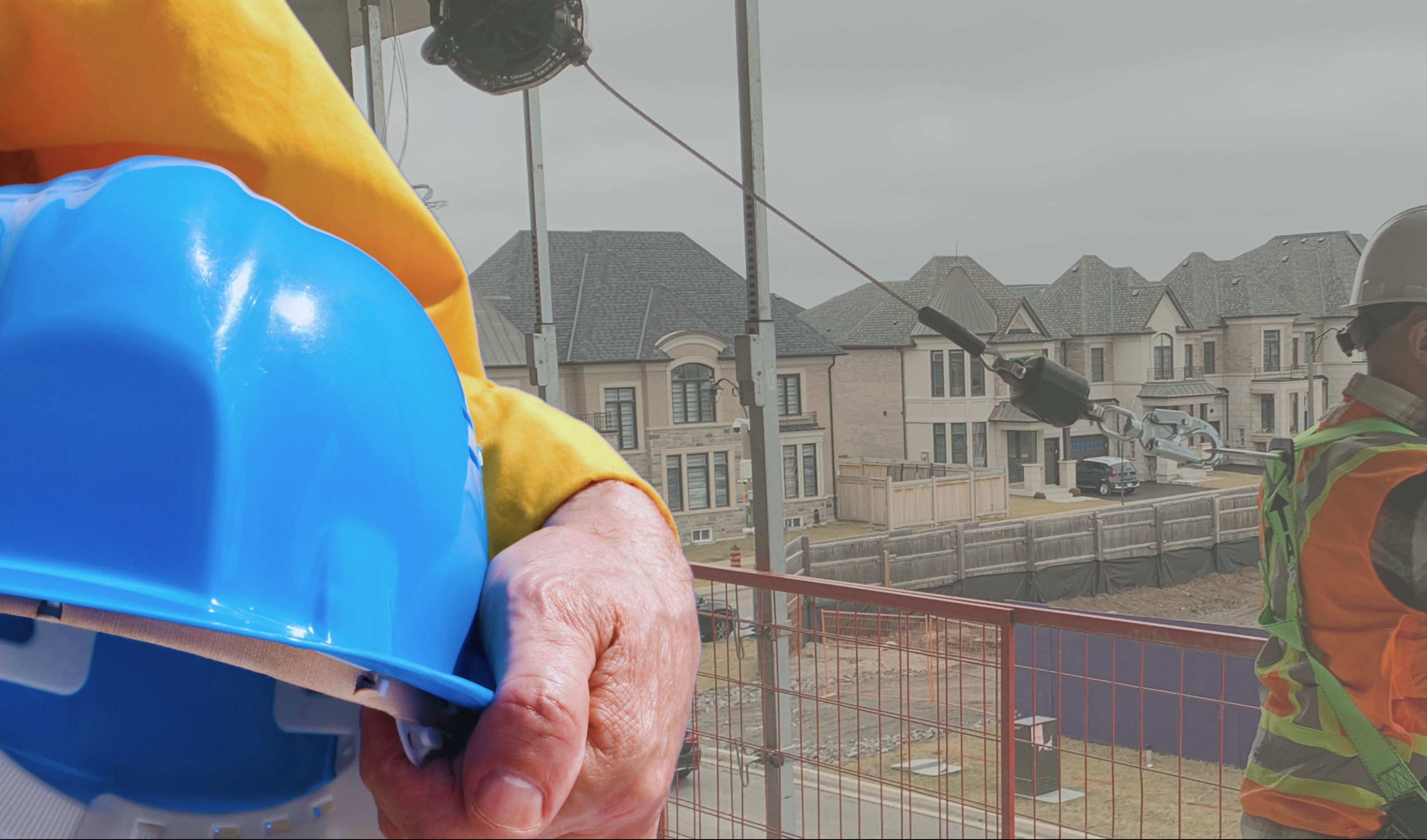
Falls from Heights and Struck-by Incidents: High-Priority Focus Areas
Ministry health and safety inspectors will focus on two critical areas that account for a substantial portion of workplace injuries and compensation costs: falls from heights and incidents involving workers being struck by equipment, vehicles, and materials.
The statistics are alarming. From 2019 to 2023, the Workplace Safety and Insurance Board (WSIB) approved:
- 16,124 claims for injuries caused by workers falling to a lower level, resulting in $318 million in compensation costs and an average of 71 lost days per claim.
- 41,663 claims for injuries caused by workers struck by objects or equipment, resulting in $294 million in compensation costs and an average of 29 lost days per claim.
Falls from Heights: Compliance Inspection Focus
Workplaces, especially those in residential construction roofing and framing, should prepare for construction health and safety compliance inspections by doing the following:
- Ensuring workers have completed mandatory CPO-approved Working at Heights Training and received necessary site-specific training if they work at heights.
- Verifying the implementation of fall protection work plans (or safe work plans) before any work is performed at heights, ensuring the workplace has identified fall hazards and implemented appropriate measures.
- Installing proper guardrails, whenever possible, to prevent workers from falling.
- Having a fall rescue plan created before anyone works from heights.
- Inspecting the condition and proper use of fall protection equipment, including 100% tie-off when exposed to heights.
Learn how Ministry inspectors perform compliance inspections for fall hazards in this video.
Struck-by Incidents: Compliance Inspection Focus
The 2024 construction health and safety compliance plan is also aimed at preventing injuries from workers being struck by equipment, vehicles, and materials. Workplaces can prepare in the following ways:
- Ensuring the safe operation and maintenance of equipment according to manufacturer guidelines.
- Using a trained signal persons whenever vehicles or heavy equipment must reverse.
- Checking the safe storage and handling of materials.
- Performing thorough inspections of rigging equipment.
- Reviewing comprehensive worker training on safe material handling.
- Confirming the use of appropriate personal protective equipment, including high-visibility clothing.
Read more about struck-by hazards in the construction sector.
Read Part 2 of this series: Occupational Hygiene and WHMIS Compliance – 2024-2025 Enforcement Plans
Read WorkBright’s report: Health and safety enforcement inspections in Ontario: 2020 Recap
Act Now with WorkBright™
Contact WorkBright™ today for assistance navigating these and other compliance initiatives. We help you elevate your workplace health and safety practices, ensuring compliance with the Occupational Health and Safety Act, Regulation 213 – Construction Projects, and other relevant regulations.