

3 Tips for Protecting Workers from Noise Exposure and Complying with the Law
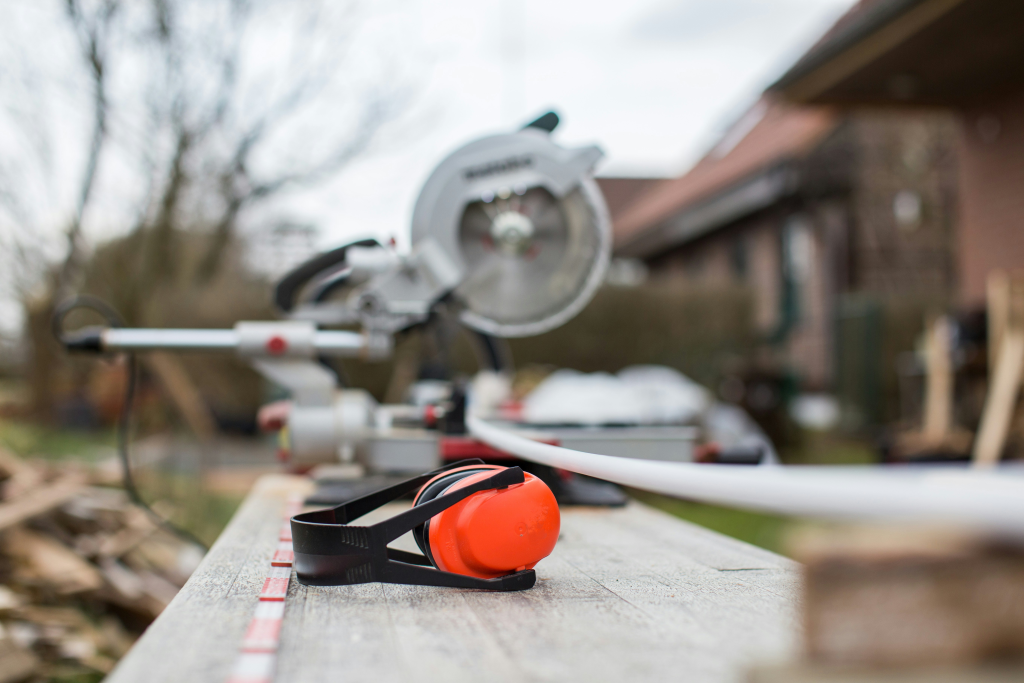
Over 50,000 claims were approved by the Workplace Safety Insurance Board (WSIB) from 2013 to 2022 in Ontario for noise-induced hearing loss. Despite widespread awareness that noise can cause hearing damage, it continues to be the top claim compensated for occupational disease. Perhaps this is because noise is ubiquitous, and it causes damage slowly over time.
In Ontario Regulation 381 – Noise was introduced to protect workers from hearing loss caused by noise. This law applies to workplaces in Ontario and sets specific requirements for employers.
Here are three tips that workplaces should consider to protect workers from the hazards of noise at work.
Need a Noise Assessment for Your Workplace?
Book a free 15-minute consultation to find out if your workplace is compliant or to discuss an order you have from government health and safety inspectors.
Tip 1: Understand Risk – Assess Noise Exposure and Sound Levels
Understanding the level of noise exposure is crucial. Methods like performing a noise exposure assessment using equipment such as noise dosimeters and sound level meters are recommended. This is usually conducted by a skilled individual, such as an occupational hygienist. A basic indicator of excessive noise is the need to shout to be heard by someone an arm’s length away. If this is a common occurrence, more may need to be done.
Tip 2: Protect Workers
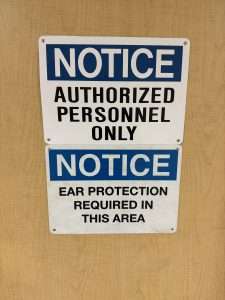
Identifying ways to reduce noise in the work environment is essential. For instance, building enclosures around loud equipment can significantly decrease noise levels. In a factory visited by WorkBright™ recently, a noisy compressor in the corner of the workplace causes excessive noise. After enclosing it, the noise in the work area reduced significantly and workers were happy. Other approaches can include positioning noisy equipment like portable generators or compressors away from workers helps too. While hearing protection is vital, it should not be the first line of defense. If used, ensure it is worn correctly and that it is used when necessary. Involving workers in the selection of hearing protection devices (HPDs) ensures comfort and compliance. Signs at noisy area entrances are required in some workplaces.
Need a Noise Assessment for Your Workplace?
Book a free 15-minute consultation to find out if your workplace is compliant or to discuss an order you have from government health and safety inspectors.
Tip 3: Train Workers
Workers exposed to noise must understand its health effects. Beyond hearing loss, noise can lead to tinnitus, a condition where a constant ringing sound becomes a persistent annoyance, affecting sleep and causing distractions. Noise can also lead to miscommunication in the workplace. Training on proper use of hearing protection is crucial, as improper use can dramatically reduce effectiveness.
Contact WorkBright™ today
WorkBright™ provides and has assisted workplaces in complying with government health and safety inspectors’ orders to measure noise levels. We also offer training on noise hazards and assist companies in developing hearing conservation plans. Contact us today to learn more about safeguarding your workplace against noise hazards.