

Ontario’s 2025–2026 Health and Safety Compliance Campaigns

Speak with a Health & Safety Expert.
The Ministry of Labour, Immigration, Training and Skills Development has announced its health and safety compliance campaigns for 2025–2026. From April 1, 2025, to March 31, 2026, inspectors will be visiting workplaces across Ontario with a focus on specific hazards in high-risk sectors.
Now is the time to check whether your workplace is aligned with these health and safety enforcement priorities.
Speak with a Health and Safety Expert
Construction Health and safety compliance campaigns
The Ministry’s construction campaign will once again target residential construction, including single-family and multi-family projects.
Last year’s focused campaign heavily targeted working at heights. This year, inspectors will expand their scope to include:
-
-
- Ensuring workers have received adequate instruction, training and supervision
- Proper care and use of extension ladders and step ladders (A-frame ladders)
- Working at heights. Beyond valid training, inspectors will look for actual controls like guardrails, travel restraint, or fall arrest systems
- Safe movement of equipment and materials on site, especially around pedestrians and workers
- Scaffolding setup and use
- Installation of stairs and handrails (especially into basements)
- Good housekeeping – including slip/trip hazards and fire risks due to debris.
-
Strengthen workplace awareness with WorkBright’s Safety Talks or custom health and safety eLearning tailored to your operations.
O. Regulation 213/91 – Construction Projects sets out many of these legal requirements. While these focus areas are prioritized, inspectors can (and often do) enforce any applicable section under the OHSA.
Construction employers should aim for full compliance, not just compliance with the campaign’s theme.
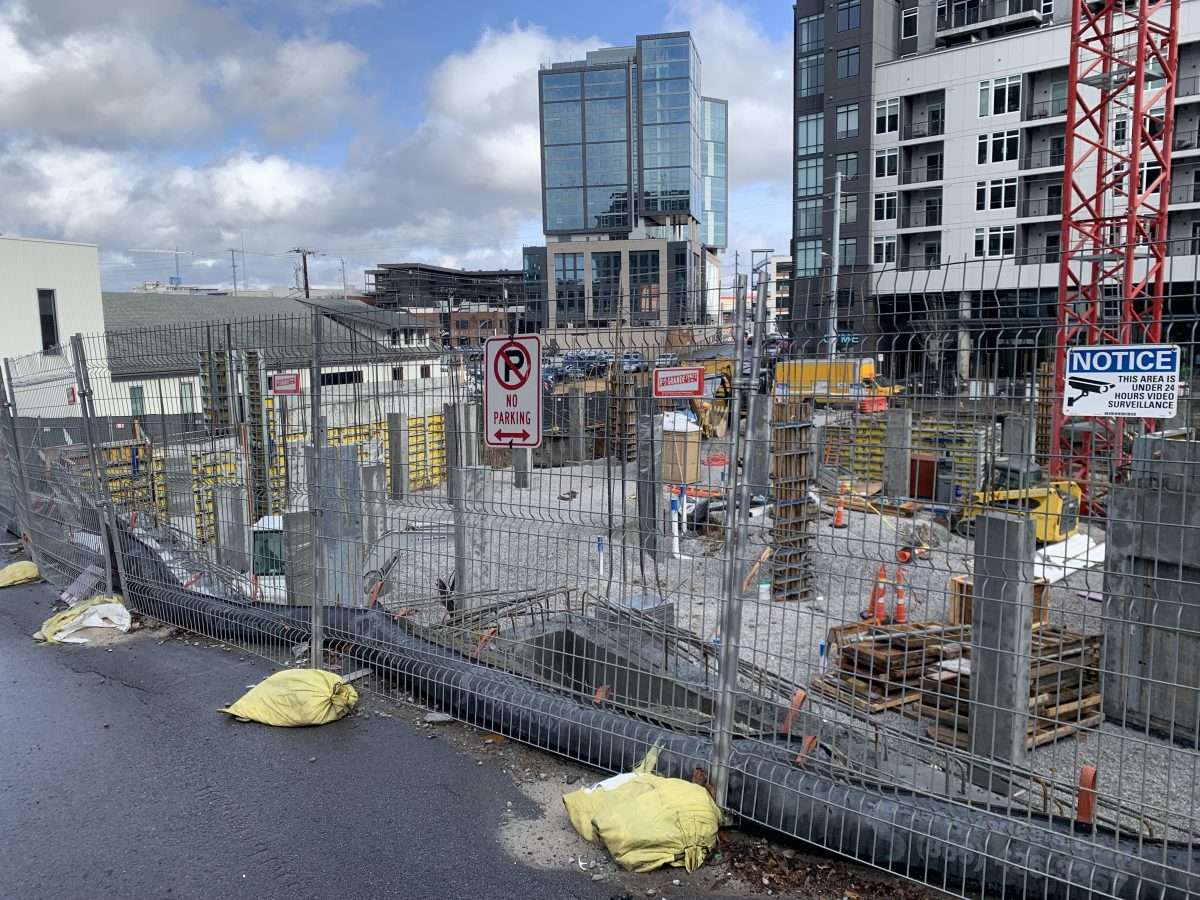
High rise and single-family construction projects will be under greater scrutiny in this year’s health and safety compliance campaign. Inspectors with the Government of Ontario will be visiting workplaces throughout 2025 and 2026 focusing on specific hazards and conditions.
Book a Health & Safety Gap Assessment.

Ontario’s 2025-2026 Health and Safety Compliance Campaign will focus on industrial settings, including production facilities, warehousing, retail, and more. Material handling will be the main focus.
Industrial Health and safety compliance campaigns
Inspectors will also be visiting industrial workplaces with a focus on material handling hazards. While manufacturing is a core focus, other sectors like agriculture, transportation, warehousing, and retail are included in this campaign.
Key areas inspectors will assess:
- Training provided to workers and supervisors
- Storage systems (e.g., racking)
- Cranes, forklifts, and other lifting devices
- Workplace layout, including traffic flow
- Manual material handling – lifting, lowering, pushing, pulling, carrying
- Use of automation and interaction with machines
- Machine guarding, blocking, and lockout/tagout procedures
- JHSC or health and safety rep participation
O. Regulation 851 – Industrial Establishments outlines the legal responsibilities for health and safety for industrial employers in Ontario.
Industrial Health and safety compliance campaigns
Inspectors will also be visiting industrial workplaces with a focus on material handling hazards. While manufacturing is a core focus, other sectors like agriculture, transportation, warehousing, and retail are included in this campaign.
Key areas inspectors will assess:
- Training provided to workers and supervisors
- Cranes, forklifts, and other lifting devices
- Workplace layout, including traffic flow
- Manual material handling – lifting, lowering, pushing, pulling, carrying
- Storage systems (e.g., racking)
- Use of automation and interaction with machines
- Machine guarding, blocking, and lockout/tagout procedures
- JHSC or health and safety rep participation
O. Regulation 851 – Industrial Establishments outlines the legal responsibilities for health and safety for industrial employers in Ontario.
Ontario’s 2025-2026 Health and Safety Compliance Campaign will focus on industrial settings, including production facilities, warehousing, retail, and more. Material handling will be the main focus.
Occupational Hygiene
Chemical Exposure (Reg. 833)
Ministry occupational hygienists will be checking whether workplaces are protecting workers from airborne chemical hazards in accordance with Regulation 833 – Control of Exposure to Biological or Chemical Agents.
That means reviewing:
- Engineering controls (e.g., ventilation), admin practices, and PPE use
- Exposure data and sampling reports
- On-site work practices
WHMIS Training (Reg. 860)
Workplaces will also need to prove that workers have received up-to-date WHMIS training. If your Safety Data Sheets (SDSs) or WHMIS labels have changed due to the 2022 Hazardous Products Regulations amendments, then retraining is required.
Learn more about Ontario’s 2025 Occupational Hygiene Compliance Campaign
30-min Webinar: 3 Legal Lessons Ontario Employers Should Know About OHS
Discover 3 key legal lessons from our Safety and Health Week 2025 webinar. Based on real court cases from 2024, this recap highlights what Ontario employers need to know about organizational structure, owner–contractor roles, and supervisor responsibilities under the OHSA and Criminal Code.
Speak with a Registered Occupational Hygienist.
Ergonomics Campaign in Retail Health and safety compliance campaigns
Musculoskeletal injuries are one of the most common injury types in the retail sector, and this year, they’re part of the Ministry’s focus for the retail sector.
The Ministry’s campaign will focus on injuries linked to poor ergonomics and manual material handling tasks. Retail employers should pay attention to:
- Extended reaching at checkouts
- Lifting/lowering items from above shoulder height
- Moving awkward or overloaded carts
- Twisting or reaching while using ladders
- Repetitive grasping during stocking/unpacking
- Heavy lifting during customer service or delivery
Between 2020–2024, the retail sector had the second-highest number of lost-time ladder-related injuries in Ontario. Most of these falls resulted in sprains and strains. Book a Ladder Safety Talk with WorkBright for your team.
Book a ladder safety talk.
A Note on Health Care and Mining
The Ministry will also be inspecting health care and mining workplaces this year. These are not the focus of this article, but you can view the complete breakdown here: MLITSD Compliance Campaigns Overview 2025-2026.
Not Sure Where You Stand?
If you’re not sure whether your health and safety practices meet current expectations—or if you know gaps exist—WorkBright™ can help.
Speak with a Health and Safety Expert.
Learn how we can help your workplace assess compliance and identify areas of risk.
Speak with a Health and Safety Expert.
Learn how we can help your workplace assess compliance and identify areas of risk.