Part 2: 2024 - Occupational hygiene and WHMIS compliance plans
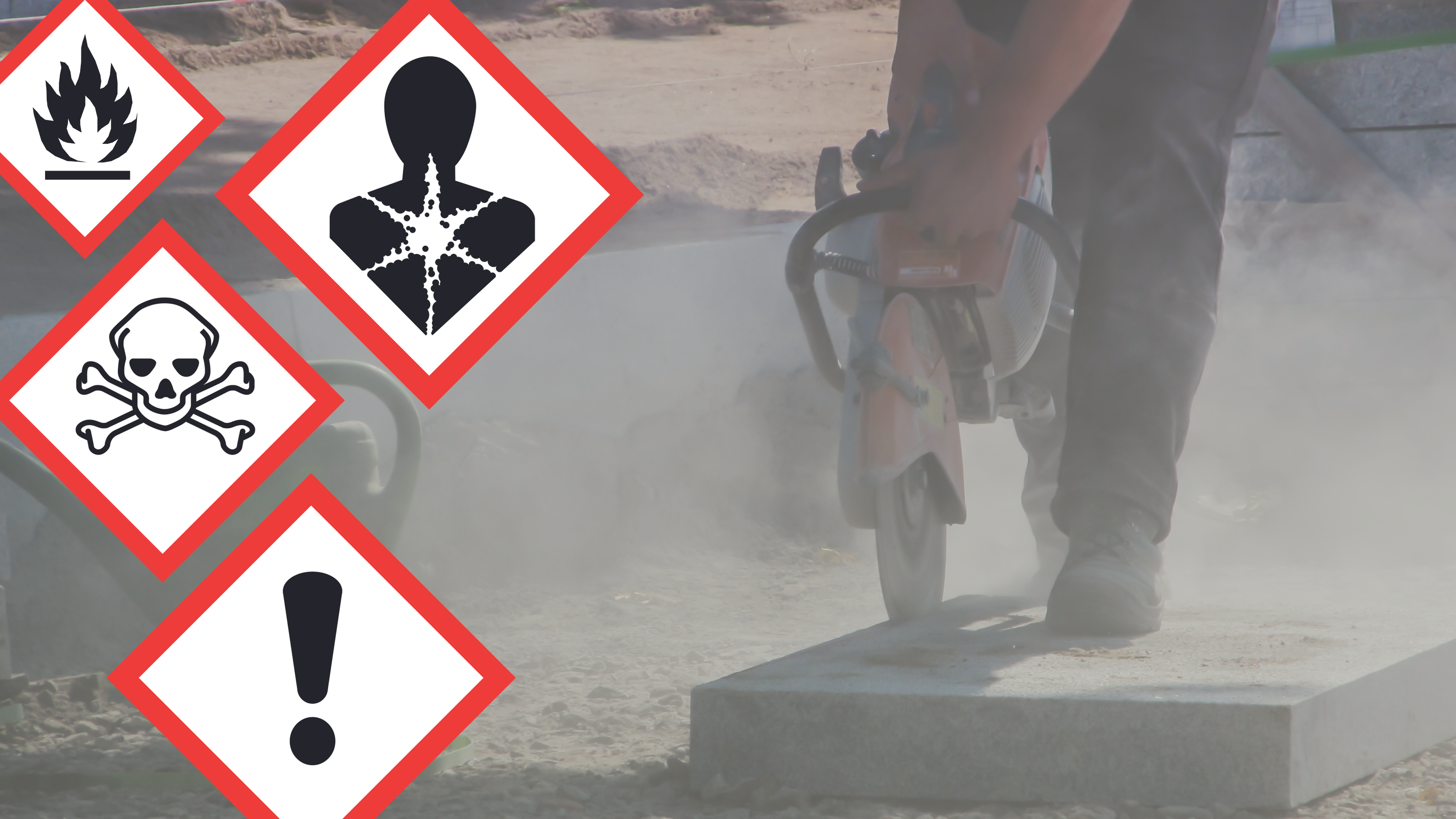
Building on the construction sector focus outlined in Part 1, the Ontario Ministry of Labour, Immigration, Training and Skills Development (MLITSD) is intensifying its enforcement focus on occupational hygiene and WHMIS compliance in the workplace.
These initiatives are part of the Ministry’s health and safety compliance plans, effective from April 1, 2024, to March 31, 2025. Their objective – to protect workers from chemical exposure and ensure workers understand important information about hazardous products used in the workplace.
Chemical Exposure and WHMIS: An Enforcement Focus
The Ministry’s compliance plan will focus on education and inspections to ensure workers are not overexposed to chemicals used at work. From 2013 to 2022, there were 2,913 workplace fatalities in Ontario approved by the WSIB, with 69% due to occupational diseases like mesothelioma and lung cancer caused by exposure to chemicals such as asbestos. This staggering statistic highlights the rationale for the Ministry’s enforcement focus on preventing occupational disease.
Chemical Exposures
It is important for workplaces to actively prevent worker overexposure to chemicals such as particulates, liquids, gases, vapours, fumes, and mists. Workplaces may receive compliance orders where Ministry inspectors feel chemical overexposures are possible. They may order the workplace to have an occupational hygienist, such as a Registered Occupational Hygienist (ROH) or Certified Industrial Hygienist (CIH), perform exposure assessments, including air sampling, and recommend appropriate measures to protect workers.
Learn more about occupational exposure limits in Ontario:
Current occupational exposure limits for Ontario workplaces under Regulation 833
Regulation 833: Control of Exposure to Biological or Chemical Agents
WHMIS Training
In December 2022, amendments were made to WHMIS requirements under the federal Hazardous Products Regulation, that included:
- a new hazard class for aerosols
- more subcategories for flammable gases, and
- new or modified information elements on safety data sheets (SDSs).
Other Sector Initiatives
The Ministry’s 2024-2025 health and safety inspection compliance plans also include key focus areas for workplaces in the industrial, mining, and healthcare sectors. Visit the Ministry’s website for more information:
As part of the Ministry’s compliance plans, workplaces must ensure workers understand information about hazardous products used. The Workplace Hazardous Materials Information System (WHMIS) is a national and provincial framework of laws. This framework ensures that employers and workers receive consistent information about hazardous products and sets the rules for WHMIS labels, safety data sheets, and worker education.
Ministry occupational hygienists will support enforcement inspections to determine if the requirements of WHMIS are being followed and if workers require retraining, depending on the circumstances. Workplaces must:
- ensure workers understand the hazards associated with chemicals used by providing training and making WHMIS labels and safety data sheets (SDSs) available.
- implement measures and procedures such as ventilation, enclosures, training, and personal protective equipment to reduce risk to workers.
More information: The WHMIS legislation – Ontario
Act Now with WorkBright™
As the Ministry escalates its enforcement actions, you need a partner that understands strategies for reducing the risk of harm to workers and complying with health and safety laws. Contact WorkBright™ today to navigate these new compliance initiatives and receive assistance with elevating your workplace health and safety practices.